In a crisis the people are left with little time to consider the next steps. In the midst of stress, confusion can grow quickly, especially inside huge buildings, offices apartment complexes, warehouses and public facilities where the majority of occupants may not know the layout well. In emergency planning, clarity will help reduce confusion.
Well-designed evacuation and intervention plans give immediate guidance in a visual manner that helps occupants, staff security personnel, and firefighters respond more effectively when every second matters. These plans are more than simply a pile of papers hanging on the walls. They are practical safety tools designed to aid in emergencies.
The public and private sectors throughout France increasingly recognize the importance of keeping up-to-date emergency documents that are easy to comprehend, clearly placed, and adapted to the structure itself.
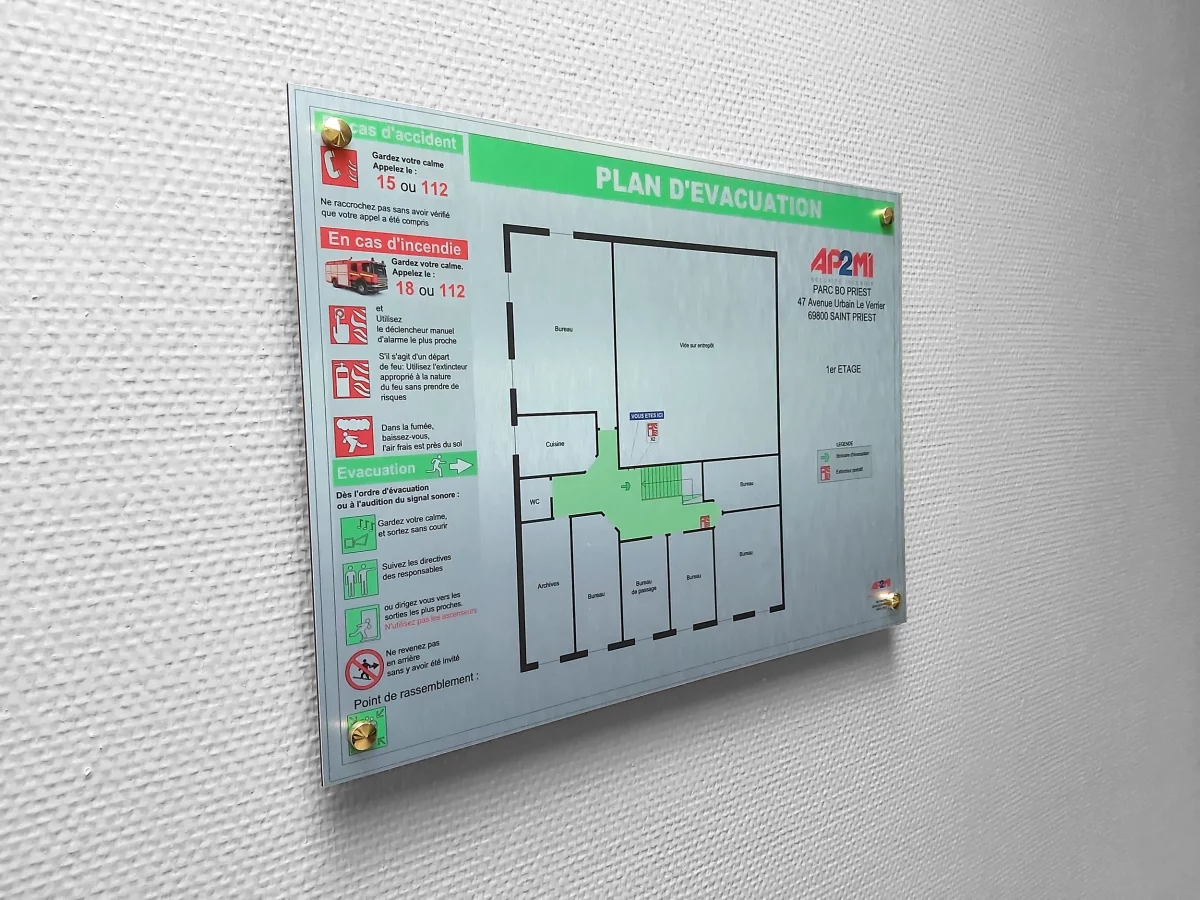
The purpose of evacuation plans and intervention plans are distinct.
Many people believe that all fire safety plan are the same But, interventions and evacuation plans are created specifically for various audiences.
A Lyon evacuation plan for a building has been designed primarily for visitors, employees, clients contractors, as well as property occupants. The goal of the plan is to ensure that everyone is able to get out of the building during an emergency.
Typically, these plans list the exits, staircases or evacuation routes as well as emergency equipment. They might also include alarm systems. The position of the information is vital, as the people who live there must be able to locate it immediately in stressful situations.
The Clermont Ferrand intervention plan but it is designed for the specific requirements of security staff, firefighters as well as emergency responders. It provides more detailed information about emergency access, shutoffs of utilities, zones of circulation and technical rooms. Both plans support more secure emergency response. For more details, click here plan évacuation Lyon
The importance of visibility and placement is greater Than People Think
Plans for fire safety are only effective in the event that they can be read and comprehended quickly. Plans that are hidden behind doors, positioned too high, hard to read, out-of-date or poorly lit have little practical significance in times of emergency. Both the content and the location are essential in planning for fire safety.
Typically, evacuation plans are installed in areas where occupants spend most of their time, like in lobbies and entrances. Intervention plans are often positioned close to access points for fire departments, technical areas, or security stations to ensure that emergency personnel can access critical building information upon arrival. Professionally designed plans improve accessibility, readability, as well as overall emergency coordination across the property.
New Fire Safety Regulations are changing expectations
In France Fire safety regulations in France remain in flux for public buildings. A large number of category 5 ERP buildings previously not subject to certain requirements for planning are now required to have an appropriately displayed evacuation and intervention paperwork regardless of building arrangement. Professional support is required by property management companies, business owners, trustees and public facility operators to ensure the compliance of their buildings.
Clermont property owners looking to ensure their homes are secure and in compliance, and are prepared for any regulatory changes in the future, should develop an intervention and evacuation plan. The current documentation shows professionalism for emergency services, inspectors as well as occupants.
Emergency Responders rely on accurate Building Information
Firefighters are often required to go into buildings that are not recognizable in extremely difficult circumstances that include heat, smoke as well as low visibility and pressure. The use of accurate intervention plans helps emergency teams comprehend the structure better.
A well-designed Fire Intervention Plan for Lyon properties could include emergency access points and utilities shutoff zones, compartmentalization zones, technical rooms Smoke extractor systems in addition to fire protection sources within the structure.
The information contained in this documentation allows responders to make better decisions and improve the efficiency of their actions. For larger or more complex properties, having organized and current intervention documentation could dramatically improve emergency coordination.
Regular Updates Keep Plans Relevant
Buildings change over time. The layout of offices may alter as walls are removed, equipment moved or circulation routes are altered. If the fire safety plan is not changed to reflect these changes, they could become out of date quickly. Inadequate technical information or an out-of-date evacuation route can cause confusion during an emergency.
Regular reviews can ensure that emergency plans remain in sync with the actual layout of buildings and the current security systems. The majority of organizations consider periodic updates more as part of their ongoing risk management rather than a routine administrative process. Professional providers assist businesses in monitoring these updates, while making sure they are in compliance with the most current standards and best practice.
Plan for Fire Safety – A Clear Approach Creates safer environments
Fire prevention is not limited to extinguishers and alarms only. Effective safety planning can create environments where people are able to react calmly and effectively in the event of an emergency.
If the emergency procedures are clearly marked and properly organized employees feel more secure. Visitors benefit from clearly marked ways to evacuate. Responders to emergencies are quicker access to critical information about buildings. Everyone can benefit from a professional approach to fire safety. France Protect Securite Incendie offers services that assist industry and businesses as well as the general public in Auvergne-Rhone Alpes create safer environments.
Preparedness is a major factor in being prepared for disasters.
Emergencies are rarely forewarned. The level of preparation determines how a structure responds once a critical situation starts.
Security is enhanced by having a an organized Fire Intervention Plan in Lyon and an organized evacuation Plan for Lyon facilities and services, along with a clear Plan for the creation of an Intervention and Evacuation Plan for Clermont.
Plans that are well-placed and readable can reduce confusion, boost coordination and promote safer evacuations.
It is vital for businesses as well as public institutions to establish a strong emergency plan for an emergency. It doesn’t mean that they must comply with laws. Every day, it is about creating safer spaces by securing people and enhancing preparedness.