A successful garden doesn’t always begin with costly equipment or a well designed property. Most of the time, it begins with someone putting in a few seeds, paying attention to what happens, and making better choices for the coming season.
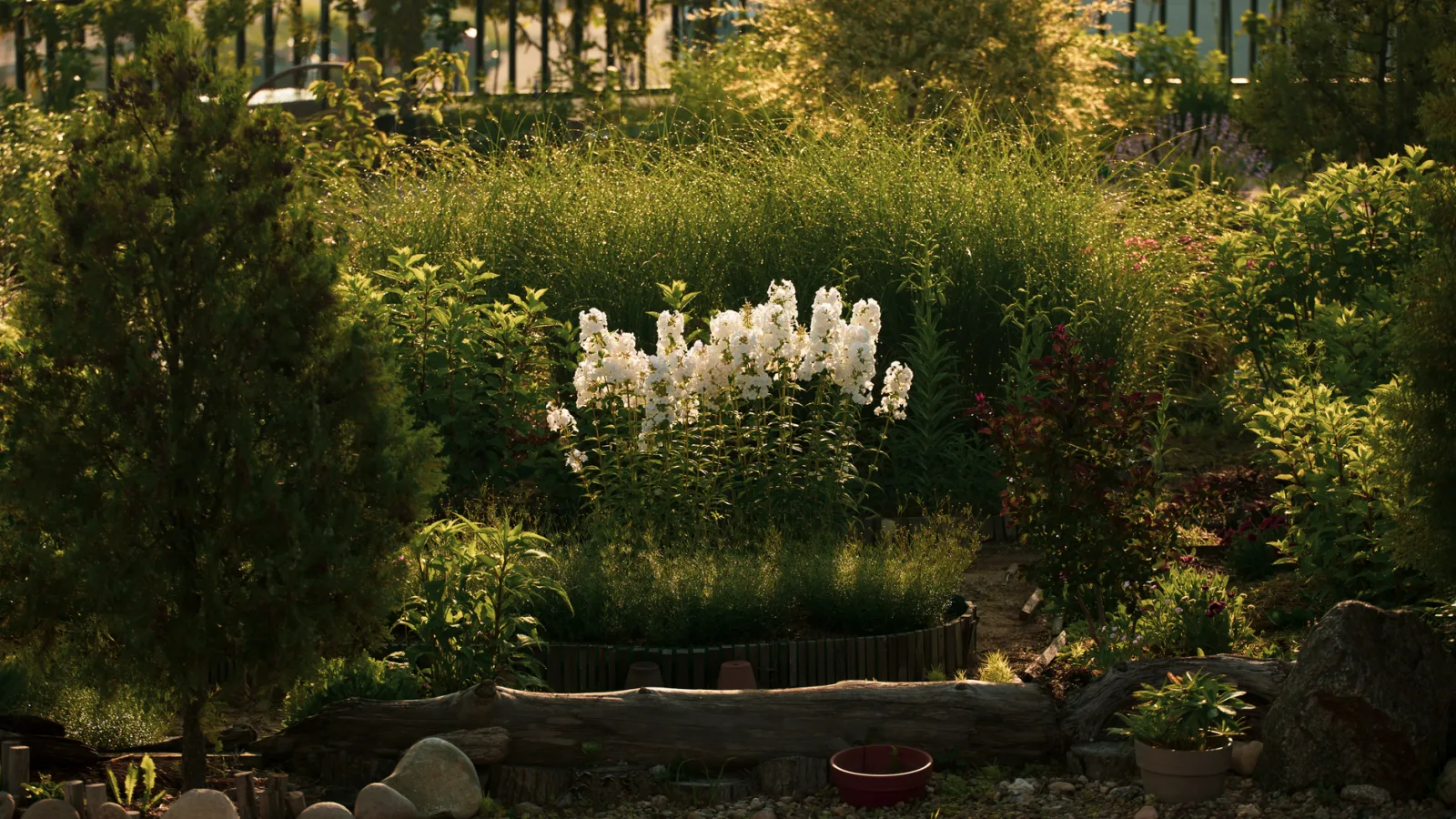
That practical approach is central to The Sproutstead, an informational resource created for people who want to grow food, improve their soil, preserve what they harvest, and develop useful self-sufficiency skills without getting buried in technical language.
The garden conditions are different
The fact that gardens aren’t interchangeable is among the reasons gardening guidance can be a bit sour. The same tomato variety that is planted in a raised bed that has sunlight in one region could perform differently than the same tomato variety that is grown in the dense, rocky soil in another area.
It’s more than just following the guidelines to succeed when it comes to gardening and homesteading. Knowing your personal conditions is essential for those who garden. This includes sun, soil, temperature and rainfall, the growing season, available area, and the amount of time you will have for maintenance.
The Sproutstead will explain the different aspects so that readers are able to make changes to gardening advice for an ordinary home instead of trying to recreate an ideal setting.
Vegetable Gardening begins beneath the Surface
Naturally, people pay more attention to plants that they can see. However, the effectiveness of any gardening endeavor is mostly determined by the underground.
A healthy soil requires a balance between drainage, moisture retention, nutrients, and organic matter. Composting can help improve soil over time, while mulching can conserve moisture and suppress the expansion of weeds. If you pay attention to these basic principles, you will make your vegetable gardening easier. This is because improved growing conditions will give your plants the best foundation.
Planning also matters. The spacing of plants, the timing of crops the timing of companion plantings, as well as the timing of the seasons can affect the effectiveness of gardening in limited space.
Tomatoes can be a great lesson in paying attention
If you talk to 10 people about tomatoes, they’ll likely tell a variety of stories. Most well-known of all cultivars for home gardens, tomatoes demonstrate the effects of different kinds of conditions.
When looking into tomato cultivation it is crucial to think beyond the depth of plantation and fertilizer schedules. Tomatoes need adequate sunshine, regular watering, adequate spacing, suitable soil and support when they mature. The selection of tomatoes is important as the conditions of the growing, the space available, and intended uses can influence which tomato is the most suitable.
If a plant produces a lot of foliage but produces little fruit, such as, for example, adding fertilizer will not solve the issue. The problem could be caused by excessive nitrogen levels, high temperatures, insufficient sunlight or even problems with pollination. Observing the entire plant is more effective than treating each sign.
A Harvest Is Only Part of the Story
When half the vegetables spoil before being eaten this makes the effort of growing 20 pounds of vegetables seem less successful. If you’re planning to grow your own garden It is crucial to take into consideration what happens after harvest.
Canning or freezing, dehydrating sharing excess produce and saving seeds will assist families in getting the most benefit from their gardens. Composting, backyard chickens, fruit trees and herb gardens can all be part of the system of your home.
Everyone doesn’t have to learn every homesteading practice at once. It is important to make progress in homesteading whether that’s growing lettuce, building compost piles or saving the first batch of tomatoes.
Practical knowledge helps build better gardeners.
It’s not possible to ensure perfect plants using the most beneficial gardening advice. Pests, weather and seed failures could vary from region to region.
The Sproutstead treats these realities more as part of education rather than an extra. The Sproutstead links topics such as soil, seeds, and vegetables starting with pests, self-sufficiency (backyard chickens), preservation, and backyard chickens. Readers will learn more than just how to grow their own garden, but also the reasons behind it.
A garden that is more productive for the home will usually be constructed in like the way that plants develop in a gradual manner, season by season, from a strong foundation.