Certain aspects of home ownership can be hidden until they cause problems. Septic systems are among the most important, yet often ignored elements of a house. We tend to overlook it, assuming it will dutifully carry out its duties without much maintenance or worry. As with all systems that is used, septic tanks have a life expectancy and will eventually require replacement.
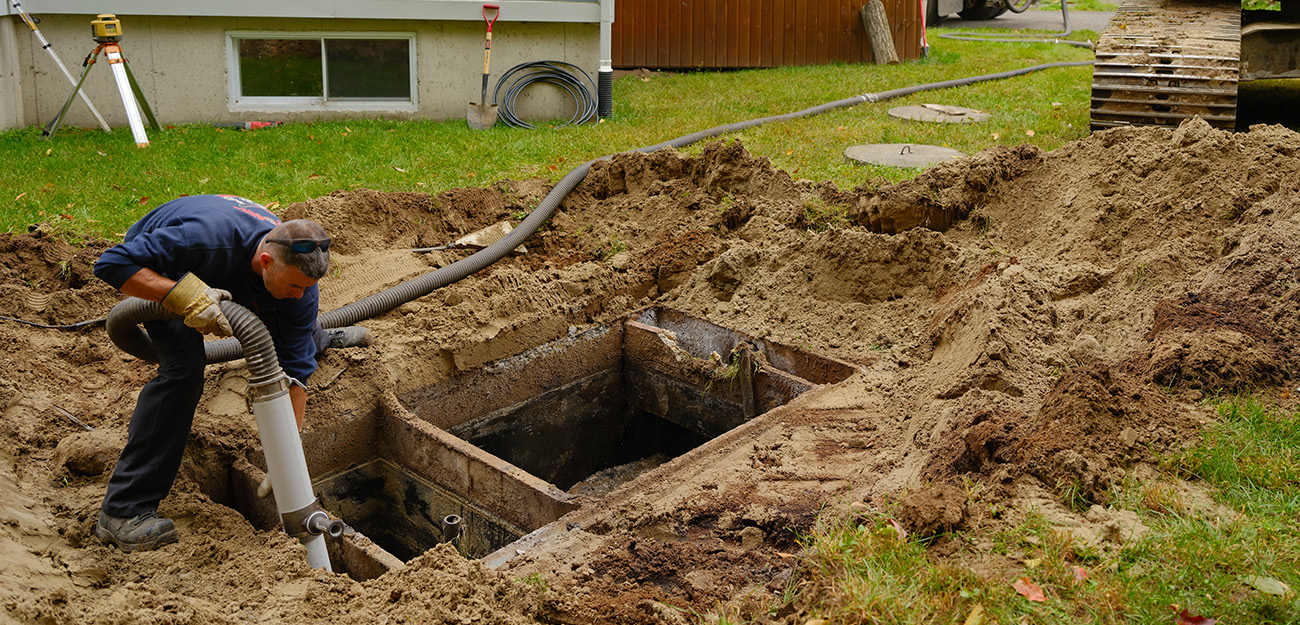
Homeowners who aren’t prepared may be unable to pay for the cost of replacing a septic system. The total cost will be determined by a variety of factors, so it’s important to set aside money for a new system.
To figure out the true cost of a septic tank replacement, you must think about more than the cost. It’s not just a case of replacing the old tank with a new one. Many components and services are included in the total cost. Each step, ranging from obtaining permits, hiring professionals and even excavation, will cost money. The homeowners must plan their budget accordingly.
Cost of septic tanks, leach fields, and the installation are a few of the aspects to take into consideration. The price of new tank may vary greatly based on the size and material of the tank as well as the complexity of installation. Additionally, the location of your home, the local regulations, and soil conditions are also factors that can affect the cost. Consult with experts in septic systems who will assess your requirements and give you an accurate estimate. They’ll also take into consideration the size and design the leach field to provide you an accurate comprehension of the amount your project will cost.
Leach fields or drainfields are yet another expense. It plays a significant function in wastewater treatment as well as dispersal. Replacing a damaged or failing leach field requires careful planning and has a significant impact on the total cost of replacing septic. In determining the total cost, it is essential to consider things like the dimensions and the composition of the leach fields, their accessibility, and soil composition.
Alongside the physical expenses, homeowners must also take into consideration the non-tangible costs associated with the replacement of a septic system. This procedure could impact your daily routine by requiring that you temporarily leave your residence, or limit your water consumption while the installation is being done. You should factor in these annoyances when planning your project, since they could impact your daily routine and result in extra costs like accommodations or changes to your schedule.
It’s important to remember that maintaining your septic tank on a regular basis is essential for extending its lifespan and minimizing the risk of premature replacement. Inattention to maintenance can result in bigger issues in the future, including damage to the drainfield, or failing the tank. It is wise to include septic system expenses within your budget. This will allow you to save money.
By now, you may have realized that determining the septic tank replacement cost is not a straightforward task. It requires careful consideration of various factors, from the dimensions and materials of the tank, to the complexity of the installation and the condition of the leach field. Your property’s location and laws will also have an impact on the cost. It is vital to seek advice from professionals with expertise in replacing the septic system.
If you’re thinking about replacing your septic system, you may be surprised to learn there’s hidden costs that you may not have anticipated. The cost can quickly mount up, and you must be aware prior to making any decision.
The hidden costs associated with replacing septic systems can are:
The cost of inspections and permits. You’ll have to get permits from the local government before beginning work on your septic system replacement. These permits are expensive, and you might have to cover inspection costs.
Cost for excavation and removal. The old septic needs to be removed and dug up before installing a new system. It is a costly process, particularly if the system is in an unaccessible location.
Cost of backfilling, grading. The hole left after the removal of the old system will need to be graded and backfilled. It is vital that the new drainage system drains correctly.
The cost of landscaping is a significant expense. After the new system has been put in place, you might have to perform some landscaping work to make it look tidy and neat. It is possible to add to the bill if you hire a professional landscaping company.
If you are planning to replace your Septic tank, it’s essential to factor in these cost-savings that aren’t obvious. You can avoid unpleasant surprises in the future by making plans in advance.
Eco-friendly septic systems are a great option for homeowners who have an unfinancially tight budget. These cost-efficient alternatives are also environmentally friendly, as they reduce water pollution and limit runoff. These environmentally friendly solutions are now inexpensive and readily available. They’re the best option for those looking to lower their carbon footprint while not breaking the bank. Transitioning to a more eco-friendly system may require some upfront costs, but these are easily offset by the long-term savings. Green living isn’t just a fashion, it’s an essential lifestyle choice that anyone who they care about the future of our world. With the right systems installed, you’ll have peace of mind knowing that you’re doing your part to benefit the world at large and also guaranteeing that your home can function effectively and efficiently without the need for maintenance, and a lower cost per month.