Companies today rely more than ever on high-speed, reliable and secure networks. Although the talk is typically about Wi-Fi speeds or cloud apps However, what most people don’t understand is that behind every smooth connection is a thoughtfully planned structured cabling system that acts as the infrastructure that holds the whole network together.
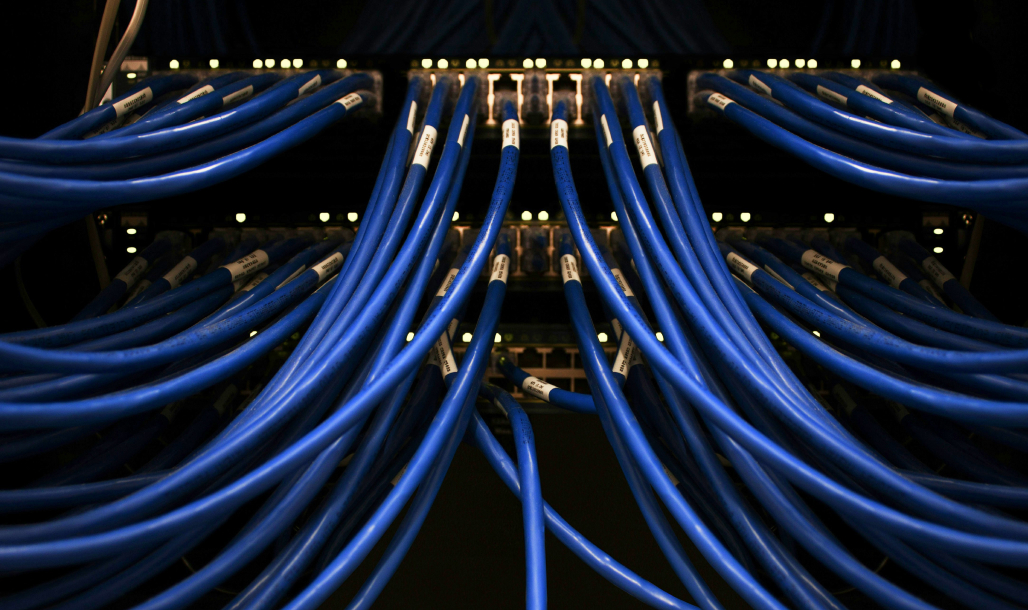
Image credit: gokaravan.com
There is no option but to have the right structured cabling It’s a necessity.
What Is Structured Calling, Really?
Think of structured cabling as the physical skeleton of your IT infrastructure. It’s a method to organize cables and hardware, so that all phones, computers and security systems can communicate and be connected. Structured cabling is sensible and clean. It can adapt to the ever-changing technology.
It’s important to think about your cabling infrastructure to ensure that it supports every aspect of your business which include audio, data, multimedia as well as other technology. It’s modular, which means you can upgrade, move or alter systems without causing disruption. It’s also flexible, ready to expand as your business expands.
What is the reason Structured Cabling Services Are Important
The solution to structured cabling can’t be one size will fit all. Every building, every industry, and each type of business have different performance requirements. That’s why partnering with a provider that specializes in structured cabling is essential.
Professionals assess your current infrastructure, your future requirements, and physical layouts to come up with a custom design. Typical services include backbone and horizontal cable installation along with patch panels as well as distribution frames. Every cable is tested for quality assurance.
Karavan Technology offers structured cabling solutions for the US and Canada that are specifically designed for both complex and simple situations. The solutions offered range from Cat5E through high-frequency Cat7 cabling that can support 1200MHz. This offers rapidity and dependability on every level.
Installation of Structured Cabling
One of the most commonly held misconceptions is that structured cabling installation is disruptive. In truth, a skilled team can complete installations quickly and without messing up daily operations.
Here’s the basic components of a typical installation:
1. Engineers will evaluate the space and determine the best route for cables. They will also map all endpoints.
2. Installation: Cables are positioned cleanly and labeled.
3. Testing and Certification: Every connection is tested to ensure signal quality and is certified to performance standards.
4. Documentation: An entire map of your cable system is included to aid in future upgrades and troubleshooting.
At the end of the process, your property has a plug-andplay system in place that will serve your needs in the digital age for many years to be.
Future-Proofing with Structured Cabling Systems
The technology evolves quickly and your infrastructure must also. A structured cabling solution that is properly implemented can provide advantages for the future, which make it easy to expand or upgrade your network without having to start over. New servers, devices, or workstations can be incorporated seamlessly without a complete overhaul.
Plus, with data demands increasing, particularly with cloud computing and video conferencing, having a strong base can prevent bottlenecks and guarantee continuous performance. There’s no need to be concerned about signal loss, or costly delay due to old wiring.
Final Thoughts
Structured cabling may be hidden from view however it shouldn’t be forgotten. This is the base of an efficient, secure network that can support all of your operations. You can improve the performance of your business and lay the foundations to succeed in the future with expert structured cable installation.
If you’re opening a brand new office, upgrading your existing system or planning a massive installation and investing in a structured cabling configuration is a decision you’ll not regret.