Water and wastewater infrastructure has evolved far beyond simple gravity-based systems. Engineered pumping solutions are essential to keep water flowing efficiently and in a safe manner as communities expand and the land is difficult to develop. A properly designed pump station is able to support everything from wastewater collection to stormwater control to potable water distribution and industrial activities.
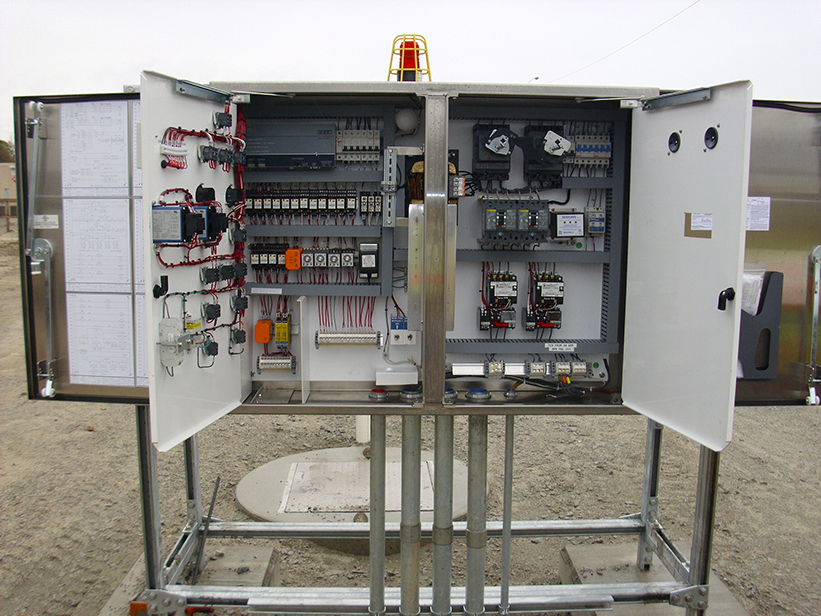
Each pumping system is different, from the elevation, to the flow requirements, water qualities, and even ownership requirements. By taking these considerations into account in the planning phase, you can reduce the possibility of future problems and ensure that the system will function according to the specifications for many years.
Why Package Pumping Systems Must Be Project Specific
A solution for package pumping is more than just a set of components. It’s an all-inclusive system. The conditions at the site, environmental regulations, and goals for operation are all elements that affect the design of the pumping system. Different pump configurations and control strategies are required for commercial development, municipal facilities, and industrial establishments.
Engineers can help make better decisions through the development of preliminary plans based on flow rates and duty point locations and the lifetime cost. This can reduce the need for changes. This helps avoid unexpected costs during construction and ensures that all stakeholders are on the identical page from the beginning.
Modern Development: Wastewater Lifting Stations
To accommodate the growing urban area, sewer infrastructure will need adapt to the new terrains as well as expanded service areas. These systems are essential in areas in which gravity flow alone will not satisfy the demand.
Wastewater lift stations have to take into account the fluctuating flow in addition to disposal of solids, resistance to corrosion, and regulatory compliance. Municipal systems emphasize longevity and maintenance that is easy while private or industrial systems might place more focus on the ability to adapt and expand. Custom engineering ensures pumps, controls, and structures are selected to suit the specific operating environment.
Stormwater Lift Stations and Environmental Protection
The ability to manage stormwater efficiently has become increasingly crucial as density rises and weather patterns grow more unpredictable. A well-designed stormwater lift station helps control runoff, manage detention ponds, and reduce flooding risks. These systems also assist in environmental protection by directing stormwater for treatment prior release into the natural waters.
Stormwater pumping systems should be capable of performing reliably in a variety of weather conditions, ranging from light rains through heavy storms. When designing these stations engineers take into account peak flows as well as seasonal variations as along with sustainability over the long term. Flexible pump technologies and material selections enable systems to be able to adapt to changing demand.
Industrial and Clean Water Pumping Applications
Pump stations aren’t only for municipal use. Industries rely on pumping systems for handling high-temperature fluids, high-pressure applications, liquids that are oily, as well as chemically aggressive waste streams. To design for environments like these requires specialized expertise and a careful selection of materials.
Systems for water distribution to commercial, residential and municipal use, including booster stations are supported by clean water systems. The ability to maintain a constant flow and pressure is essential to maintain user satisfaction and system reliability. Pump stations designed for irrigation groundwater, reclaimed water, extraction, and large water features need to balance efficiency and the durability.
Integrated Design with a Single Supplier
managing multiple suppliers of structural, mechanical and electrical parts, along with control components, can be complex and risky. Single source design and delivery streamlines the process of implementation and increases compatibility. The design team is able to develop efficient solutions faster by drawing on the experience of numerous pumping scenarios.
Romtec Utilities applies this integrated approach across wastewater, stormwater industrial, clean water applications. The projects that benefit from Romtec Utilities controlling the entire pumping process from structural housing through engineering and controls, are streamlined and have uniform quality.
The future of infrastructure is dependent on a pumping system that is more receptive to real-world conditions than assumptions. Early evaluation, integrated execution, and thoughtful design ensure that every pump station is able to meet its long-term owners’ and operators’ needs.